
LVP Installation Cost in Atlanta: What You'll Pay
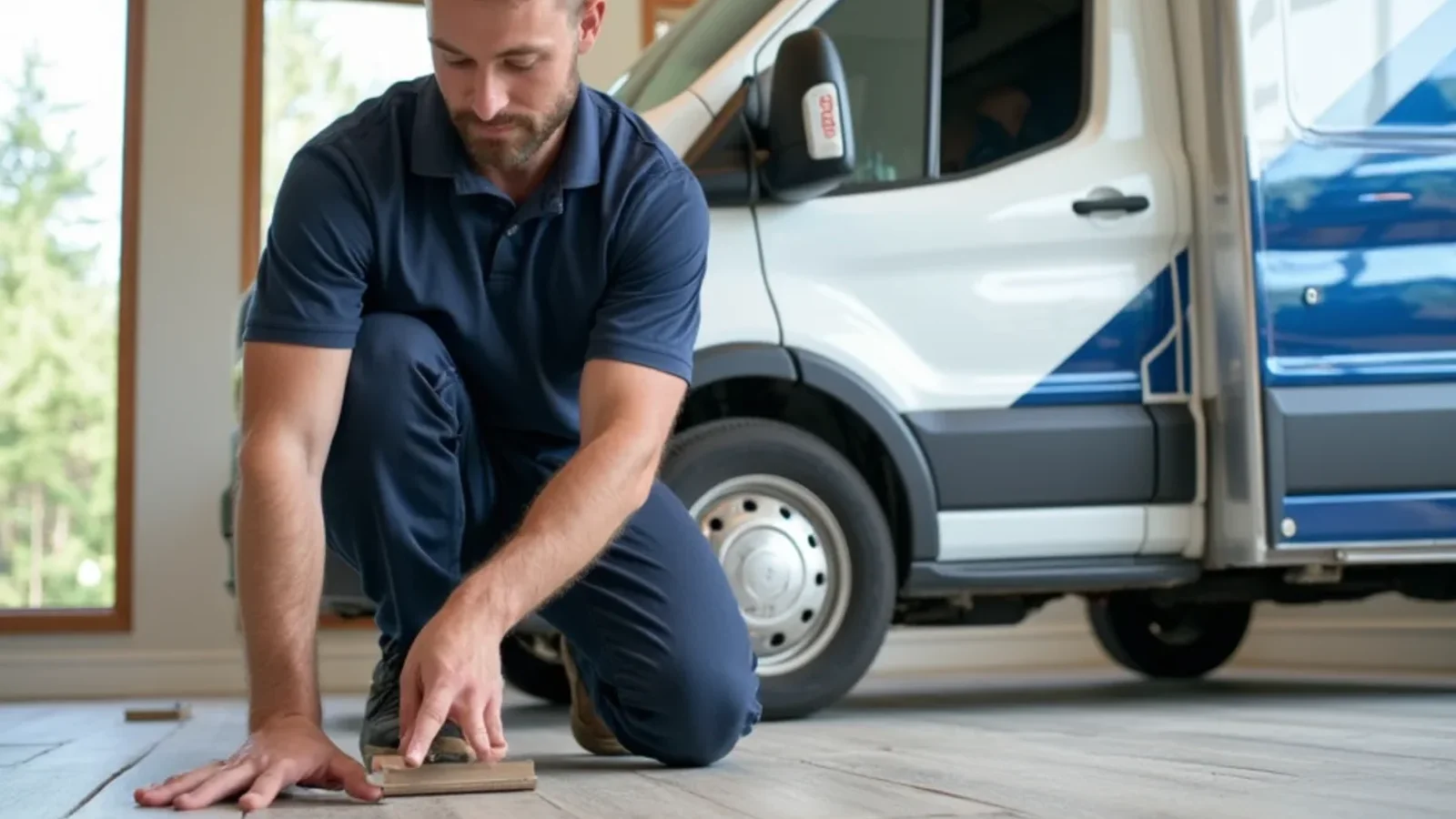
Luxury Vinyl Plank (LVP) and Stone Polymer Composite (SPC) rigid core flooring have become the dominant flooring choice for metro Atlanta homeowners. Combining complete waterproof resilience, genuine wood-grain aesthetics, and outstanding scratch resistance against pets and children, LVP delivers unmatched versatility. However, homeowners reviewing flooring estimates frequently experience sticker shock when looking past advertised per-box plank sales. While retail stores promote vinyl plank for $1.99 per square foot, total turnkey installed projects in metro Atlanta realistically average between $4.50 and $9.00 per square foot.
The gap between carton prices and finished invoices is driven by the physical reality of installation: old floor demolition, subfloor leveling, moisture barriers over concrete slabs, custom staircase fabrication, door jamb undercutting, and premium shoe moldings. A typical 1,200-square-foot main level in Fulton, Cobb, or DeKalb County represents a realistic all-inclusive investment of $5,800 to $9,600. Understanding each line item empowers you to optimize your budget without compromising long-term floor performance.
Get a Free On-Site Flooring Consultation
Speak directly with Pedro and the Diamond Epoxy Pros crew. We inspect your subfloor or concrete slab, test moisture levels, and provide a clear, itemized quote in writing.
- 5★ on Google (22 reviews)
- Fully Insured
- Free Written Estimates
- Lifetime Delamination Warranty
- Employees Only (No Subcontractors)
- Serving Metro Atlanta since 2023
2026 Metro Atlanta LVP Cost Overview: Materials, Labor, and Turnkey Ranges
Material Tiers: 12-mil Entry vs. 20-mil Residential vs. 30-mil Commercial
Plank costs in 2026 range from $1.80 to $6.50+ per square foot based on core thickness, wear layer gauge, and surface embossing. Entry-level 12-mil planks ($1.80 to $2.50/sq. ft.) suit temporary rental property refreshes but scratch quickly under pet claws. High-traffic residential 20-mil SPC rigid core planks ($3.25 to $4.75/sq. ft.) represent the industry sweet spot, featuring limestone cores that resist denting and aluminum oxide ceramic coatings that repel heavy abrasion.
At the luxury end, 30-mil commercial EIR (Embossed-in-Register) planks ($5.00 to $7.00/sq. ft.) feature textured graining aligned perfectly with high-definition wood imagery, integrated bevels, and thick 8mm to 10mm acoustic cores that replicate solid white oak underfoot.
Turnkey Itemized Cost Breakdown in Metro Atlanta
The table below details turnkey square-foot pricing components across Fulton, Cobb, and Gwinnett county installations in 2026.
2026 Itemized LVP Installation Cost Breakdown in Metro Atlanta
| Project Component / Service | Budget Range / sq. ft. | Standard Quality Range / sq. ft. | Architectural Premium Range / sq. ft. |
|---|---|---|---|
| LVP Planks (Material Only) | $1.80 – $2.50 (12-mil basic) | $3.25 – $4.50 (20-mil rigid SPC) | $5.00 – $7.50 (30-mil EIR embossed) |
| Certified Installation Labor | $1.75 – $2.25 | $2.50 – $3.25 | $3.50 – $4.75 (herringbone / complex cuts) |
| Carpet & Pad Removal / Disposal | $0.35 – $0.50 | $0.50 – $0.75 | $0.85 – $1.25 (tack strip nail pulling) |
| Hard Surface Demo (Tile / Glued Wood) | $1.50 – $2.25 | $2.50 – $3.50 | $3.75 – $5.00 (mastic grinding) |
| Subfloor Leveling & High-Spot Grinding | $0.50 – $1.00 (minor patch) | $1.50 – $2.50 (skim coat / dips) | $3.00 – $4.50 (deep self-leveler pour) |
| 6-Mil Moisture Barrier (Concrete) | $0.20 – $0.30 | $0.35 – $0.45 | $0.50 – $0.75 (ASTM F3010 epoxy primer) |
| Shoe Molding / Quarter Round | $1.00 / lin. ft. | $1.75 – $2.25 / lin. ft. | $3.00 – $4.00 / lin. ft. (tall painted profile) |
| Staircase Installation (per step) | $65 – $75 | $85 – $105 (custom bullnose) | $115 – $140 (wrapped open ends) |
Subfloor Preparation: The Factor That Dictates Your Final Invoice
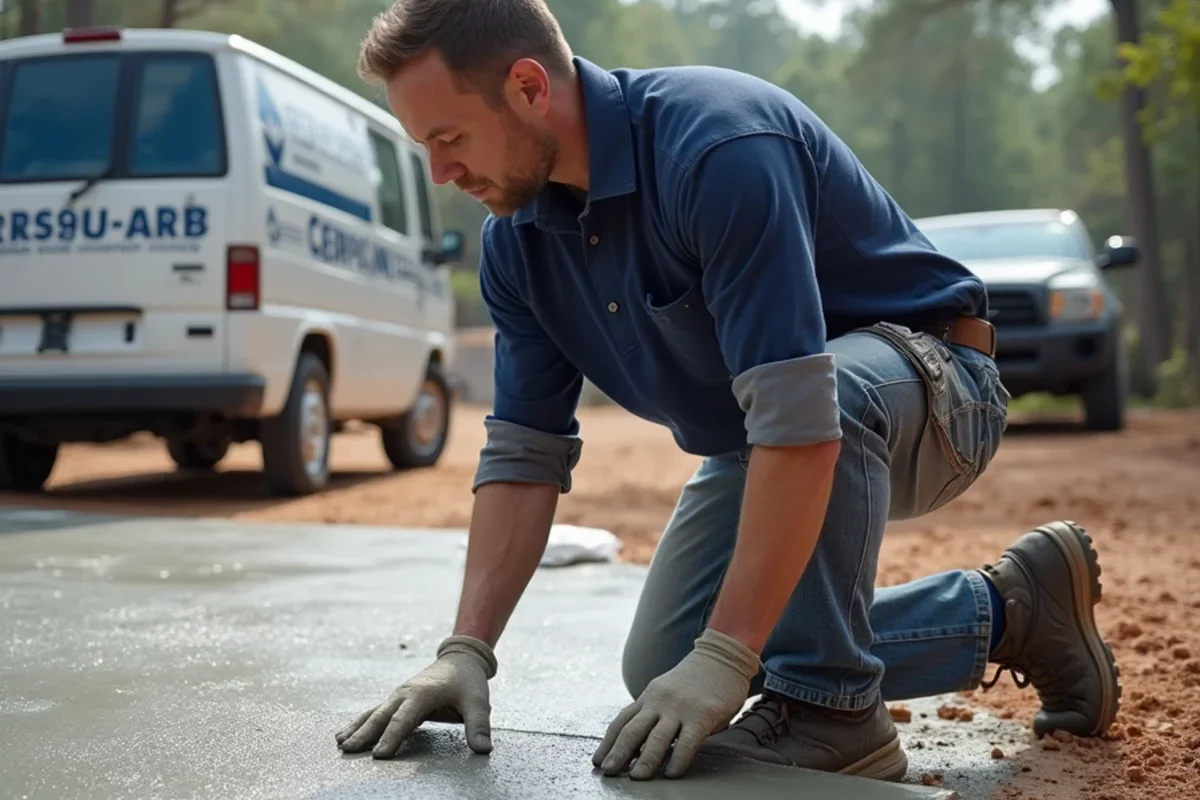
If there is one universal truth in vinyl plank installation, it is that your finished floor is only as good as the subfloor underneath it. Subfloor preparation represents the most variable line item on any flooring estimate, frequently adding $1.00 to $3.50 per square foot to the base quote.
The 3/16-Inch Flatness Tolerance Rule
Floating LVP is a rigid composite that must rest on a flat plane. Every major manufacturer (including Shaw, Mohawk, Coretec, and Karndean) requires subfloor flatness within 3/16-inch over a 10-foot radius, or 1/8-inch over a 6-foot radius. If a subfloor has sudden high crowns or low valleys exceeding these tolerances, the floating planks bridge over the low spots.
When walked on, the suspended planks deflect downward under body weight. This constant vertical cycling strains the micro-thin click-lock tongues, causing them to fracture within 6 to 12 months. Once the tongue snaps, planks separate, pinch upward at joints, and bounce noticeably.
Concrete Slab Grinding and Self-Leveling Underlayment Pours
In slab-on-grade homes and finished daylight basements common across North Fulton and Cobb counties, concrete slabs rarely meet flatness standards right out of the box. Technicians use straightedges to map the floor, grinding down slab ridges and trowel marks using handheld diamond grinders connected to HEPA extractors.
Deep birdbaths and low valleys require priming the concrete with an acrylic latex bonding agent and pouring Portland cement-based self-leveling underlayment (such as Mapei Novoplan or Ardex K15). Self-leveling pours require significant skill and material volume, typically adding $1.50 to $3.00 per square foot across the treated zone.
Plywood Subfloors: Screw-Downs and Joist Deflection in Georgia Crawlspaces
In homes built over crawlspaces or second-story wood joists in Decatur, Kirkwood, and East Point, older 1950s to 1980s subfloors exhibit loose nails, joist deflection, and floor squeaks. Before laying LVP, technicians must walk the subfloor, identify loose panels, and drive hundreds of 2-inch exterior-grade screws through the plywood into the floor joists to eliminate squeaks and reinforce shear rigidity.
Core Construction & Specs: SPC Rigid Core vs. WPC vs. Flexible Glue-Down
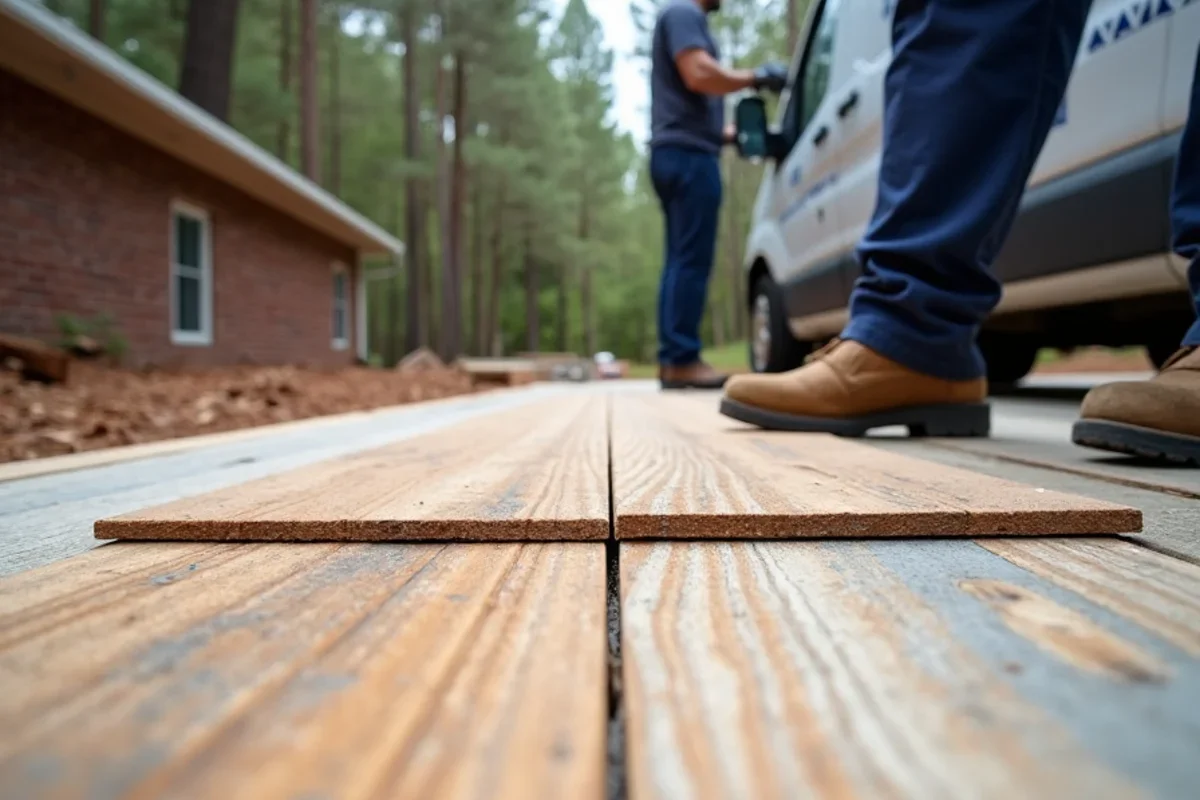
The internal chemistry of vinyl flooring dictates its cost, acoustic properties, and thermal stability in the humid Georgia climate.
Stone Polymer Composite (SPC) vs. Wood Plastic Composite (WPC)
Stone Polymer Composite (SPC) cores consist of roughly 60% to 70% natural limestone powder (calcium carbonate) combined with polyvinyl chloride resins and stabilizers. This dense composite makes SPC almost indestructible: it will not indent under heavy grand pianos or refrigerator rollers, and it expands minimally under intense sunlight from floor-to-ceiling patio windows. SPC typically costs $3.00 to $5.00/sq. ft. for materials.
Wood Plastic Composite (WPC) incorporates a foaming agent with recycled wood flour, creating a thicker (8mm to 12mm) but lighter core. WPC feels warmer and softer underfoot than SPC, making it popular for master bedrooms, but it carries a higher price tag ($4.50 to $7.00/sq. ft.) and is more susceptible to heavy furniture indentations.
Wear Layer Physics: Why 20-Mil Minimum is Critical for Atlanta Pets
The wear layer is the transparent polyurethane coating applied over the printed decorative vinyl film. A "mil" is one-thousandth of an inch (not a millimeter). In Georgia homes with active dogs and tracked-in abrasive red clay, settling for a 6-mil or 12-mil plank is a false economy. Red clay particulates act like microscopic sand under shoe soles, dulling thin wear layers within 2 to 3 years. A 20-mil commercial wear layer fortified with aluminum oxide or ceramic bead additives delivers 15 to 25 years of scratch-free performance.
Stairs, Trim, Transitions, and Specialty Architectural Details
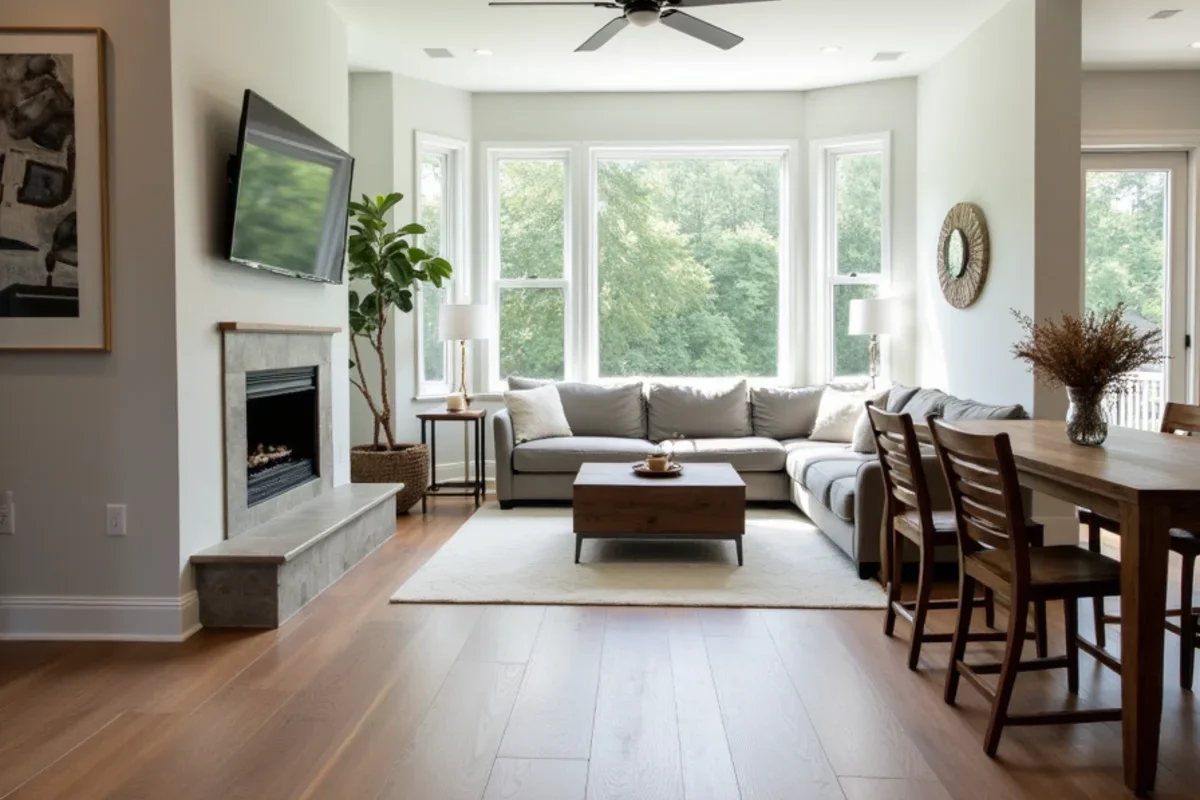
Stairs and trim work represent the craftsmanship touchpoints that elevate an installation from basic DIY to an architectural showcase.
Staircase Transformations: Custom Bullnose Treads vs. Overlapping Caps
Stairs cannot be floated; each plank and stair nosing must be permanently glued to the tread using structural polyurethane adhesive to prevent slip-and-fall hazards. Premium installations utilize custom flush-mount stair nosings manufactured from the exact same plank dye-lot, creating a seamless bullnose edge that looks like solid hardwood ($85 to $110 per step). Low-budget contractors use generic plastic overlap nosings ($45/step) that create dangerous raised lips that trip ascending feet.
Door Jamb Undercutting and Perimeter Trim Integration
Professional installers use specialized electric oscillating undercut saws to slice door jambs, casings, and corner trim flush with the top of the new floor. Planks then slide cleanly underneath the wood trim with proper hidden expansion gaps. Unprofessional crews notch vinyl planks around the exterior of door jambs, leaving visible 1/4-inch gaps filled with unsightly caulking.
Avoiding Costly Scams and Installation Shortcuts
The Per-Box Trap: Big-Box Store Estimates Underquote Labor by 40%
Many national home improvement centers advertise "$1.99/sq. ft. installation specials." However, these teaser rates only cover basic laying of planks on an already perfect, clean subfloor. Once sub-contractors arrive at your home, change orders pile on: extra charges for moving furniture ($150–$300/room), carpet disposal ($150/dump fee), subfloor scraping, toilet reset fees ($150–$250/toilet), and transition molding markups. Always demand a fixed turnkey quote covering all scope elements.
Acclimation Protocols and Georgia Humidity Equilibrium
Even though rigid core vinyl does not absorb moisture, the thermoplastic resins expand and contract based on ambient temperature. Planks stored in an unconditioned warehouse or trailer during an Atlanta summer must acclimate inside your conditioned home (65°F to 80°F, 35% to 55% RH) for at least 48 hours prior to installation. Skipping acclimation causes joint separation when hot planks contract in air-conditioned living spaces.
Frequently Asked Questions
- Installing 1,000 square feet of quality 20-mil rigid core SPC luxury vinyl plank in metro Atlanta typically costs between $5,500 and $8,200 total turnkey. This includes quality materials ($3,200–$4,200), existing carpet tear-out and disposal ($600–$800), basic subfloor prep and screw-downs ($500–$1,000), certified installation labor ($2,200–$2,800), and new shoe molding and transitions ($400–$600).